Curva Nostra: Are Organised Ultra Networks Being Infiltrated by Criminal Interests?
Table of Contents
- Introduction
- I. Italy — Where Football, Identity, and Organised Crime Intersect
- II. South America — Barras Bravas, Political Power, and Criminal Economies
- III. Why Criminal Networks Want the Curva
- IV. Eastern Europe — Ultras, Politics, and Violence
- V. Methods of Infiltration: How Criminals Seize Control
- VI. Counter-Measures: What Works
- VII. Sources
- You May Also Like
Introduction
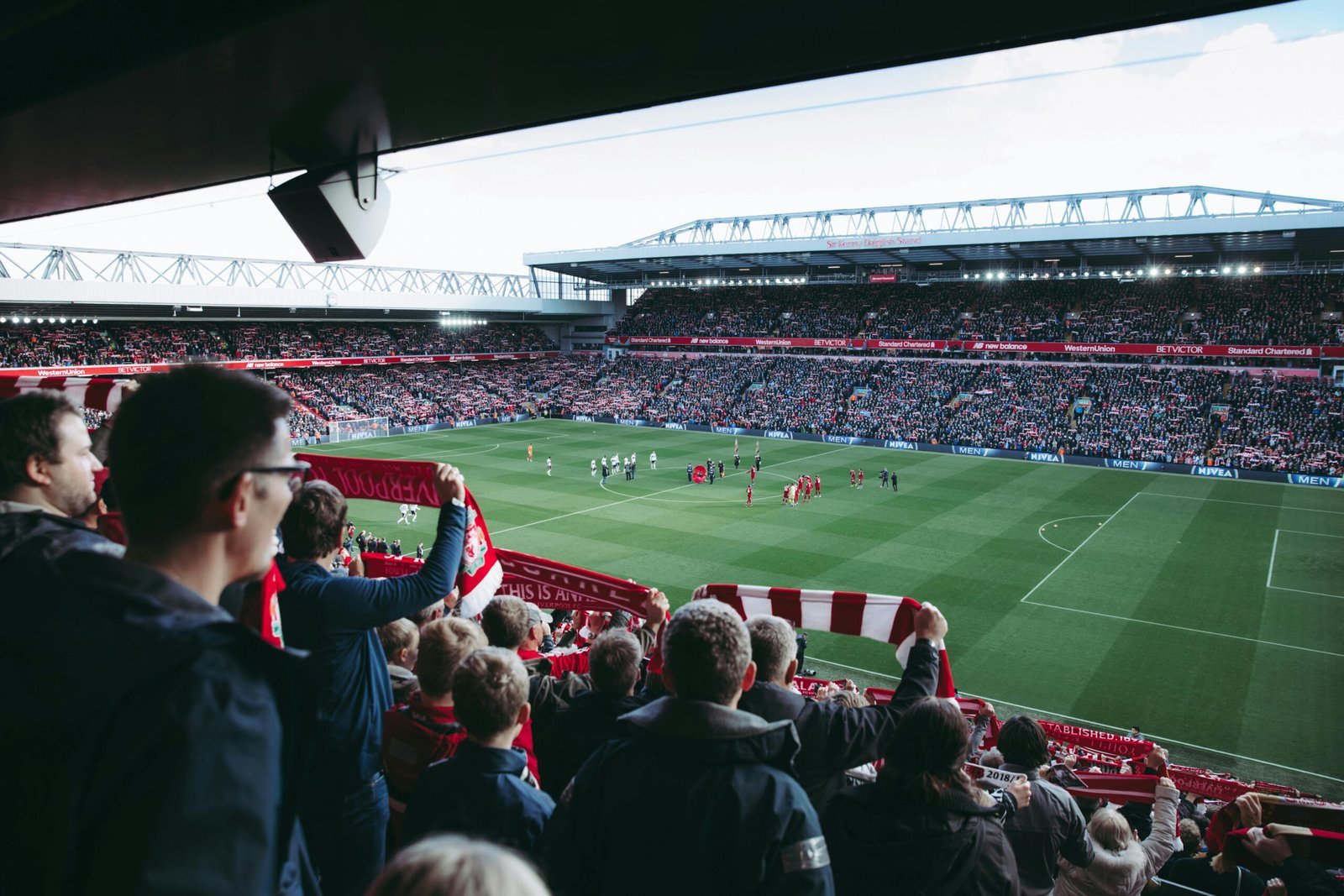
Football is a battlefield of passions, power, and identity. It can also be a battlefield for organised criminal interests, seeking influence over crowds, symbols, and pressure. Around Europe and South America, prosecutors, judges, regulators, and journalists have documented cases where violent actors, extremist factions, or criminal networks infiltrated ultra groups—not because they love football, but because the curva offers manpower, intimidation power, and economic influence.
Legal Note: This investigation reports on publicly documented events and judicial sources. FIJF does not claim that all fans, all ultras, or all clubs are involved in wrongdoing. Most supporters are passionate and peaceful. Our focus is strictly on documented cases where prosecutors, courts, investigators, and journalists identified criminal infiltration or influence attempts.
The central question: Who truly controls the curva in certain clubs—and why?
In dozens of cases, prosecutors describe similar patterns: ticket control, security contracting, politicised movements, trafficking networks, intimidation of journalists or players, forced tributes, and “protection” businesses. These are not isolated rumors—many were proven in court.
Have information about ultra infiltration? Submit a confidential tip
I. Italy — Where Football, Identity, and Organised Crime Intersect
Italy is a world capital of ultra culture: choreography, chants, identity, rivalries, community. But certain prosecutors have repeatedly warned that some curvas attracted extremist or criminal actors who saw an opportunity to turn passion into power.
1.1 Lazio, Rome, and Political Identity
For decades, Rome’s curva has been a battleground of symbols. Police files and court records describe infiltration by networks that move between politics, hooliganism, security contracts, and violent crime. Investigations published by Italian media and confirmed by court sentences documented groups using ultra influence to negotiate tickets, merchandising, and “protection.”
Far-right symbols, threats against journalists, and coordinated actions outside stadiums have appeared repeatedly. Fan identity becomes a powerful tool: influence thousands, intimidate critics, send messages. And when organised crime sees a group that can mobilize crowds, the incentive is obvious: co-opt the curva, gain leverage.
Key risks for Italy ahead of the 2026 Winter Olympics: stadium security contracts, stewards, catering suppliers, and ticketing channels. Prosecutors warn that criminal networks historically seek entry through subcontractors—because whoever controls security controls gates, crowd access, and the ground “behind the cameras.”
1.2 Inter & Milan — “Curva as a Power Base”
In past judicial sentences reported by major outlets, prosecutors described links between violent factions and organised crime. Reuters highlighted cases where the Curva Nord leadership overlapped with networks suspected of drug distribution and intimidation. One leader was charged over violent coercion and sentenced in a case referencing mafia-style tactics.
Was it every supporter? No. Was it every ultra? No. But a small leadership unit can dictate the tone of an entire curva—especially when they control banners, chants, and “permission” to display fan material. In some cities, prosecutors say criminals used ultras to pressure club management: “Respect certain demands or face unrest.”
1.3 Napoli & Camorra Influence Claims
Investigative newspapers reported multiple arrests tied to Camorra members infiltrating merchandise distribution, parking around the stadium, and black-market ticketing. Some arrests included suspects tied to violent enforcement groups. When clubs attempted reform—new turnstiles, digital tickets—violence spiked.
1.4 Juventus — ’Ndrangheta and Ticketing
One of the most famous cases: prosecutors accused certain ultra factions of pressuring Juventus management for blocks of discounted tickets. Those tickets would be re-sold on the black market, generating illegal revenue. Italian police wiretaps recorded threats, intimidation, and references to ’Ndrangheta-connected individuals. The outcome: dozens of arrests, dismantled resale networks, and court-confirmed mafia infiltration patterns.
II. South America — Barras Bravas, Political Power, and Criminal Economies
Argentina, Brazil, Paraguay, and Colombia have long studied ultra criminal influence. The term barras bravas became synonymous with violent political patronage, drug micro-distribution, and intimidation in stadiums.
2.1 Argentina — Boca, River, Independiente
Investigations by Argentine prosecutors documented cases where barra groups controlled parking, food vendors, transport companies, and ticketing. Politicians allegedly traded protection for votes. Journalists documented murder cases, extortion of players, and threats against club presidents.
The famous Bebote Álvarez was arrested and convicted for extortion and ties with criminal groups. Court files describe barras as “parallel institutions” with power networks far beyond football. Judges warned: “When mafia logic enters the stadium, democracy loses ground.”
2.2 Brazil — Torcidas, PCC, and Politicised Violence
In Brazil, major crackdowns targeted torcidas linked to trafficking groups. Prosecutors described infiltration of São Paulo factions by PCC-aligned individuals seeking to use fan groups to launder money and move narcotics. Violence moved from the curva into city neighborhoods, where rivalry became criminal conflict.
2.3 Paraguay & Colombia — Football as Political Muscle
In Paraguay, security agencies documented cartel-linked groups using stadium influence to recruit youth and intimidate journalists. In Colombia, some barras were linked to paramilitary or criminal factions who saw stadiums as ideal spaces to show power, test loyalty, and display flags that state institutions feared to remove.
Do you have information about barras, torcidas, or criminal infiltration? Submit a confidential tip
III. Why Criminal Networks Want the Curva
- Ticketing control: resale generates millions in cash, tax-free
- Intimidation: thousands of coordinated bodies create fear
- Political leverage: rallies, banners, messaging
- Recruitment: vulnerable youth, loyalty, hierarchy
- Laundering: merchandising & “security contracting”
- Drug micro-distribution: high-density events, anonymity
This is why stadiums matter. Not for the sport. For influence.
IV. Eastern Europe — Ultras, Politics, and Violence
Several Eastern European countries saw violent networks intersect with politics, street gangs, and extremist factions. Poland, Serbia, Romania, Croatia, and Bosnia all produced documented cases.
4.1 Serbia — The Gatekeepers
Multiple reports accused violent ultra factions of drug trafficking and contract killings. One of the region’s most notorious cases involved alleged cooperation between ultra leaders and criminal bosses. When police moved, stadium violence erupted. Prosecutors stated: “The curva was a recruiting ground.”
4.2 Croatia — Bad Blue Boys and Political Power
Most BBB fans are ordinary supporters. But historically, police files and media investigations described violent elements tied to extremist politics and street crime. During past elections, far-right symbols appeared in the curva, and political actors allegedly courted ultra leaders for support.
4.3 Bosnia, Poland, and the Balkans
Interpol reports warned that certain violent factions in Poland and the Balkans moved weapons, drugs, and cash through football events. When criminal networks fight for territory, the stadium becomes a visible front line.
If you’ve seen violent infiltration in Eastern Europe football, report it securely
V. Methods of Infiltration: How Criminals Seize Control
- Control of banners and megaphones: whoever controls the symbols controls the message
- Ticket black-market: huge cash flow, no questions asked
- “Stewarding” firms: a legal cover for muscle
- Youth recruitment: loyalty through violence, identity, belonging
- Merchandising: cash laundering through scarves and shirts
- Intimidation of club directors: threats to resign, transfer players, or fund ultras
VI. Counter-Measures: What Works
- Centralised digital ticketing
- Eliminating cash-only points of sale
- Independent stewarding companies with background checks
- Transparent club governance
- Cooperation between leagues, police, and anti-mafia units
- Protecting journalists and whistleblowers
FIJF Position
Football is freedom, identity, and community. But when violent or mafia-linked groups take control of a curva, the game is no longer football—it becomes a business of fear. We are not anti-ultra; we are anti-criminal infiltration. Fans deserve a safe game, safe stadiums, and the right to speak without intimidation.
Have documents, screenshots, insider knowledge? Submit a confidential tip
VII. Sources
- Reuters — judicial reporting on Inter Milan ultra leader convictions
- La Repubblica — investigations on Lazio & political infiltration
- Corriere della Sera — mafia-linked ticketing networks
- ANSA — police operations against ultra drug networks
- RAI News — documented clashes involving criminal factions
- Il Fatto Quotidiano — reporting on stewarding contracts and infiltration
- O Globo / Folha de S.Paulo — PCC and torcidas infiltration
- Clarín — Argentina barras bravas and extortion trials
- Interpol & Europol — football crime threat assessments
- Independent journalists and investigative NGOs