EASTERN EUROPE: ULTRAS, POLITICS, AND POWER
FIJF Investigation #6 — 2025 Extended Report
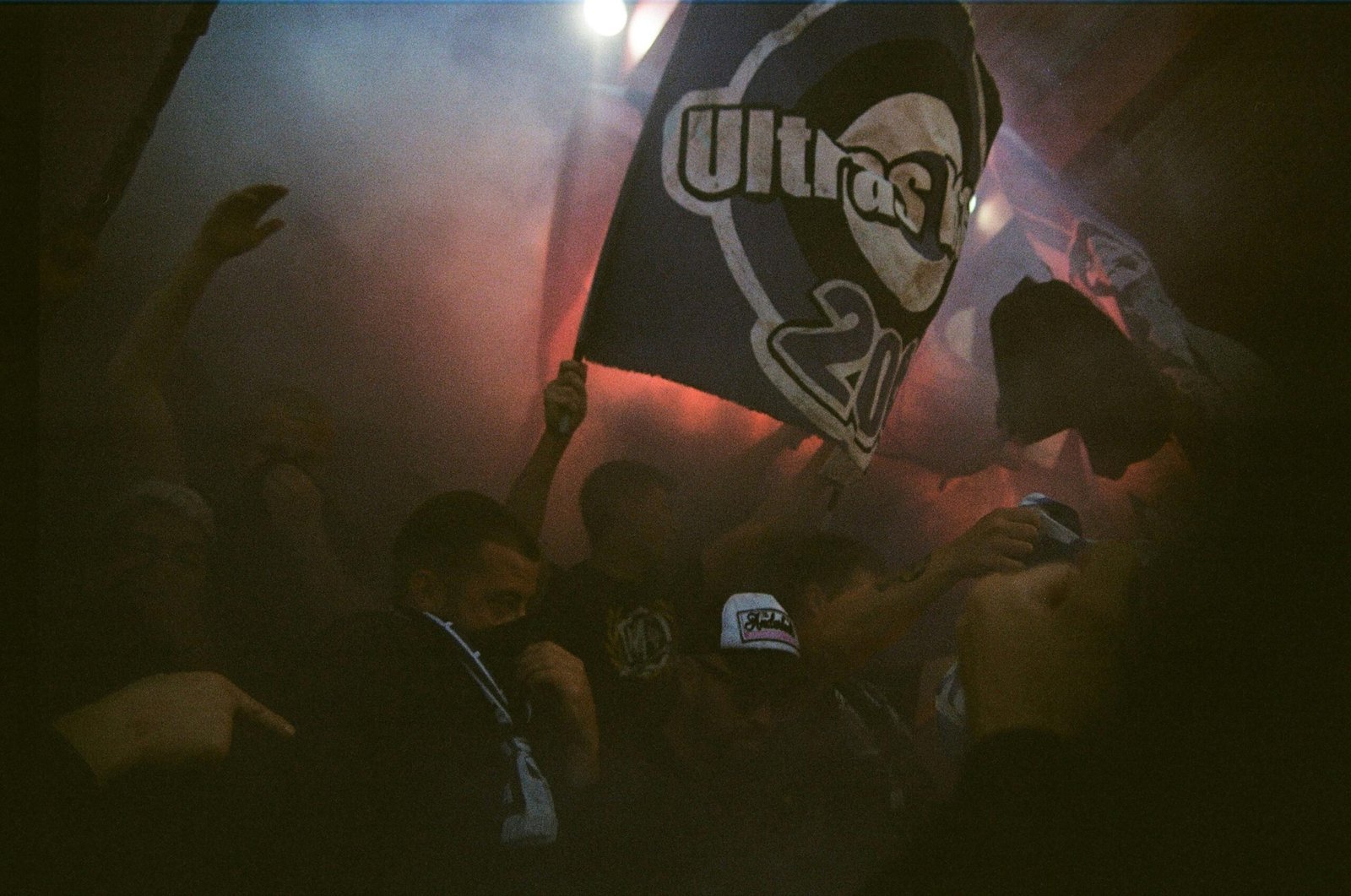
Eastern Europe’s football terraces are more than grandstands. They are pressure points where politics, crime, and sport intersect. Across Serbia, Croatia, Poland, Hungary, Bulgaria, Bosnia, Russia, Ukraine, Czechia, and Romania, ultras have become actors far beyond their official role. This investigation compiles incidents, patterns, and above all, questions. We do not accuse — we investigate. We gather proofs, and if evidence leads to responsibility, we will demand that justice is served in court.
Serbia — ultras, crime, and political shelter?
In May 2023, police raided Red Star and Partizan stadiums, arresting seventeen individuals tied to fan groups for crimes including drug trafficking and murder. This was organized crime with stadium access, not spontaneous hooliganism. For years, journalists, NGOs, and even politicians acknowledged the uncomfortable truth: terraces fused with criminal economies.
- How long did these networks enjoy political shelter?
- Do disciplinary bodies hesitate when powerful names are involved?
- Were prosecutors dismantling crime or settling political rivalries?
- Can any Serbian club claim independence if ultras are political instruments?
FIJF is collecting court filings, testimonies, and timelines. If responsibility lies with leaders or patrons, we will follow the trail until justice demands answers.
Croatia — Bad Blue Boys and governance collapse
Dinamo Zagreb’s Bad Blue Boys became more than fans during the Mamić corruption scandals. Boycotts, protests, and finally violent clashes abroad (Athens 2023, with one man killed) showed their reach. When governance collapses, terraces fill the vacuum.
- Did failed governance empower ultras into veto players?
- Why was cross-border travel tolerated when violence was predictable?
- Are ultras defenders of integrity, or opportunists thriving in chaos?
- Who runs Dinamo: its board, or its stands?
FIJF will compare domestic and international failures. Where tolerance sustains violence, we will document and demand accountability.
Poland — violent away ends and diplomatic fallout
October 2023 saw Legia Warsaw’s away match in the Netherlands descend into chaos. Dozens were injured, players arrested, and diplomatic protests issued. Yet this repeats across Polish football.
- Are clubs pricing sanctions as a cost of doing business?
- Does violence double as influence at home?
- Why do authorities fail to prevent repeat clashes?
- Is political capital protecting these groups from real deterrence?
FIJF will track sanctions and political responses. If patterns reveal complicity, we will make it public.
Hungary — ultras, nationalism, and political proximity
Ferencváros’ Green Monsters are known for far-right imagery and nationalist rituals. Club leadership has long ties to ruling circles, raising a sharp question: who protects whom?
- Do ultras gain cover because their displays align with ruling-party narratives?
- Are they used as loyal street actors in politics?
- Do federations dare sanction when power stands behind them?
- Is nationalism in stadiums tolerated because it serves political utility?
FIJF will document alignments and test whether terraces act as informal political arms. If proven, we will expose it.
Bulgaria — racist flashpoints and soft deterrence
October 2019: Bulgaria vs England, racist abuse, global scandal. UEFA sanctioned games behind closed doors. But domestically, the cycle repeats. Sanctions are loud abroad, quiet at home.
- Are punishments for foreign cameras only?
- Why do extremist chants reappear once attention fades?
- Is the federation unwilling or unable to confront radicals?
- Do politicians interfere to keep voters, not integrity?
FIJF will test whether enforcement evaporates once headlines move on. If it does, we will confront it.
Bosnia & Herzegovina — ultras as enforcers of local power
Ultras in Bosnia have been linked to intimidation of journalists and political rivals. Stadiums blur into street-level power struggles. Violence here is a tool, not a byproduct.
- Are ultras acting as private enforcers for political patrons?
- Why do investigations stall when powerful names appear?
- Is the state complicit, or simply powerless?
- How much of Bosnia’s football is decided in backrooms, not boardrooms?
FIJF will collect testimonies and trace them to political actors. If verified, we will escalate to regional courts.
Russia — Fan ID and the attempt to neutralize supporters
Russia’s Fan ID law, introduced 2022–2023, was presented as safety. Instead, ultras boycotted, stadiums emptied, and football became a laboratory for repression.
- Is Fan ID safety or surveillance?
- Are boycotts resistance or a last gasp before extinction?
- Will ultras pivot to political opposition under repression?
- Is Russian football a test case for authoritarian crowd control?
FIJF will gather testimonies from fans and exiles. If football is cover for repression, we will make it visible.
Ukraine — wartime legitimacy and club influence
Ukrainian ultras mobilized during Maidan and the war, gaining legitimacy as defenders of the nation. Returning to the terraces, they carry immunity born of sacrifice.
- Does wartime prestige grant permanent influence in clubs?
- Do federations fear punishing ultras because of patriotic status?
- Is governance distorted by their untouchable image?
- What will post-war football look like with this new power balance?
FIJF will follow this bond closely. If wartime legitimacy distorts governance, we will show it.
Czech Republic — cup final as a governance stress test
May 2024: the Czech Cup final between Sparta Prague and Viktoria Plzeň dissolved into violence, with pitch invasions and mass clashes. The federation promised inquiries, but questions remain.
- Are inquiries crisis PR instead of structural reform?
- Do repeat melees signal tolerated limits?
- Why are bans inconsistent and selective?
- Is governance reactive by design?
FIJF will press for structural deterrence. Cosmetic inquiries are not enough.
Romania — Dinamo’s DDB and supporter power in crisis
Dinamo Bucharest’s DDB program raised millions and gave supporters unprecedented leverage. Without them, the club might not exist. But influence invites scrutiny. Rival factions accused certain DDB leaders of siphoning funds. These claims were denied by leadership and never proven in court. They remain allegations, not convictions — questions in the public arena, not judicial findings.
- Do supporter groups gain oversized power only when ownership collapses?
- Is influence exercised transparently, or behind closed doors?
- Why do allegations persist despite official denials?
- Would leaders wield this power if Dinamo were financially stable?
- Should supporter associations face the same financial audits as clubs?
FIJF is gathering statements, documents, and testimonies. We emphasize: these are not proven accusations, but unresolved questions. If impropriety is demonstrated, we will demand accountability through the courts of justice. Until then, we will keep asking questions others fear.
Sources
- Reuters — Turkish referee assault crisis (2023)
- The Guardian — Referee attack in Turkey (2023)
- Al Jazeera — Turkey refereeing crisis (2023)
- OCCRP — Serbia’s football–politics–crime nexus (2017)
- These Football Times — Serbia ultras (2018)
- Reuters — FIFA/UEFA warnings to Greece (2015)
- The Guardian — Greece suspends football after arson (2016)
- Balkan Insight — Dinamo Zagreb governance reports (2018–2023)
- AP/Reuters — Legia Warsaw away incidents (2023)
- NGO reports on Bosnia ultras & politics (2020–2024)