Organized Fan Groups Football Influence — FIJF Investigation #4
Exploring how leadership cliques in ultras and supporter groups can shape chants, online campaigns, and board-level dynamics in European football.
Organized fan groups football influence has become a defining issue in modern European football. In this FIJF Investigation #4, we examine how leadership cliques within ultras and supporter groups can steer chants, orchestrate digital pressure, and in some cases influence club boards or investors. Our purpose is research, not accusation — only courts and authorities can determine liability.
For background on ownership structures and blind trusts, see our earlier Investigation #2. You can also visit the FIJF homepage for the full investigations index. This analysis adds a new layer on organized fan groups football influence that complements those findings.
This is an investigative research feature that compiles public records, reputable reporting, academic studies, and testimonies shared with FIJF. We do not accuse any individual or entity of wrongdoing. Only competent authorities and courts can determine legal liability. Our purpose is to examine patterns, mechanisms, and risks to the integrity of football governance. Tips can be shared securely with FIJF; we protect sources in accordance with journalistic standards.
1) Why lead ultras at already-rich clubs?
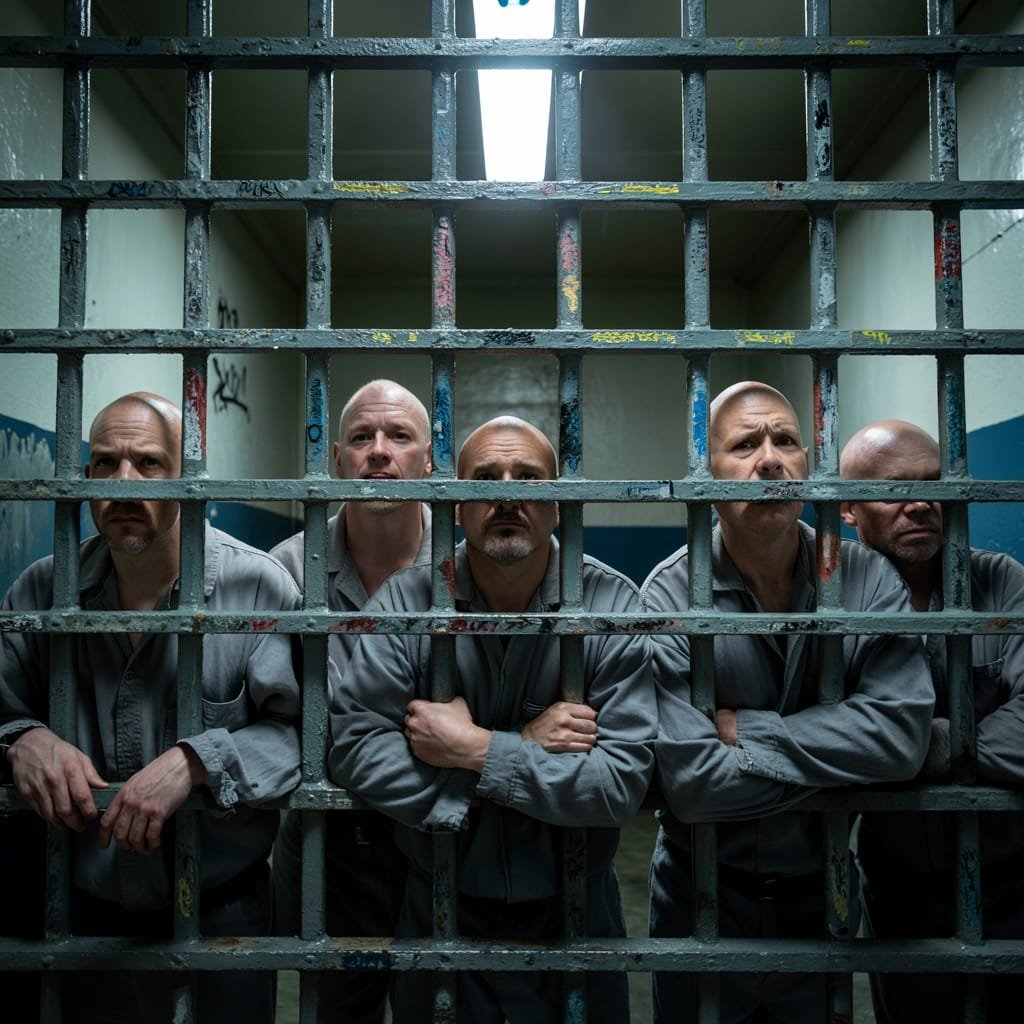
Leadership of ultra groups can confer real-world power despite the risks you named: constant visibility, police scrutiny, and exposure to violence from rival factions. The incentives include control over the narrative inside the stadium, gatekeeping of access (tickets, travel allocations, merchandising stalls), and social capital within political or criminal networks. In some jurisdictions, ultra leadership becomes a lever over ancillary markets around stadiums, which has attracted criminal interest. These patterns feed directly into discussions of organized fan groups football influence at the largest clubs.
Case file: Milan (Inter & AC Milan) — Anti-mafia probe and convictions (2024–2025)
In late 2024, Italian authorities arrested multiple ultra figures tied to the Milan clubs during a probe into alleged ’Ndrangheta infiltration. Prosecutors described rackets around ticketing, intimidation, and control of stadium-adjacent business lines. In June 2025, a Milan court handed prison terms to a number of defendants following a fast-track trial. The proceedings show why leadership roles remain coveted even at financially powerful clubs — the position can be monetized and leveraged.
Case note: Marseille — intimidation dynamics condemned by the club (2021–2023)
Olympique de Marseille publicly condemned alleged threats and intimidation directed at management staff, underscoring how the “voice of the stands” can, at times, be used to pressure decisions in top-flight organizations. Even without criminal findings, the governance risk is clear: when organized groups become power brokers, transparency and due process are tested. This context matters when evaluating organized fan groups football influence in other leagues.
2) Digital armies: narrative shaping at scale
Beyond stadium choreography, influence campaigns unfold online: coordinated hashtags, choreographed petitions, burner accounts posing as ordinary fans, and targeted pressure on sponsors or directors. Research and NGO reporting — particularly from regions with fragile oversight — document recurring ties between parts of ultra ecosystems, politics, and organized crime. These links don’t mean every supporter group is compromised; they do mean that online mobilization can become a force multiplier for small leadership cliques — another facet of organized fan groups football influence in the modern game.
Money/Access (formal & informal) → Small leadership clique → Mass fans (stadium + online) → Board/Policy outcomes (hiring, investor stance, commercial deals).
3) Clubs in crisis: converting fan power into board leverage
When a club enters turbulence — financial strain, ownership disputes, or investor negotiations — organized supporters can become decisive actors. Sometimes this is legitimate stakeholder engagement; other times, it becomes hard-ball pressure to gain privileged access, advisory seats, or de facto veto power. Europe has seen both benign and high-risk versions of this dynamic in recent years.
Case file: Germany (DFL) — Fans derail a billion-euro investor plan (2024)
In early 2024, coordinated supporter protests — match interruptions, symbolic objects on the pitch, synchronized banners — helped push the German Football League to abandon its external-investment plan for the league’s media arm. This is a clean, modern example of organized fan power shaping board-level outcomes across an entire league. It is not criminal; it demonstrates how structured mobilization can influence governance at scale.
Case context: Serbia & the Western Balkans — intersection of hooliganism, politics, and crime
In Serbia, arrests of prominent fan-group members for grave crimes, alongside investigative reporting on the Belgrade underworld, illustrate how ultra structures can overlap with political and criminal interests. During club instability, such networks may try to convert street power into proximity to boards and investors. These dynamics do not describe every group in the region, but they show how the mechanism can work where oversight is weak.
Case file: Dinamo Zagreb (BBB vs. leadership) — boycotts and governance pressure
Dinamo Zagreb’s Bad Blue Boys staged years-long boycotts aimed at club leadership; parallel legal developments around former executives coincided with shifting governance dynamics. It is not a simple “board capture” template, yet it does show how organized supporter pressure can persistently shape who runs a club and under what conditions.
4) Risks to integrity & governance
The risks of organized fan groups football influence extend beyond stadium disputes. They include intimidation of officials and players, policy capture that distorts sporting priorities, reputational damage to genuine supporters, and erosion of trust in club processes. The line between legitimate supporter engagement and coercive leverage is not always clear, which is why transparency, due process, and strong governance rules matter.
FIJF supports practical safeguards: disclose any financial or in-kind support from clubs or sponsors to supporter groups; publish clear criteria and elections for fan-representative seats; enforce zero tolerance for threats or violence — stadium or online. These measures protect both clubs and the vast majority of supporters who engage in good faith. In short, diagnosing organized fan groups football influence is a first step toward credible reforms.
Sources
- Reuters — Ultra fans in Milan arrested for extortion and mob ties (Sept 30, 2024)
- ESPN/Reuters — Milan & Inter ultras sentenced in case linked to mafia (June 17, 2025)
- Reuters — Marseille statement on alleged threats to board (Sept 19, 2023)
- Reuters — DFL drops investor plan after fan protests (Feb 21, 2024)
- Global Initiative (GITOC) — Football hooliganism, politics & organized crime — Western Balkans · PDF: Dangerous Games (2022)
- Balkan Insight — Dinamo Zagreb bosses remanded in custody (July 6, 2015)
- Croatia Week — BBB to end boycott after Mamić arrests (July 7, 2015)
- Pulitzer Center — The President, the Soccer Hooligans, and the Underworld